 08045479576
 08045479576

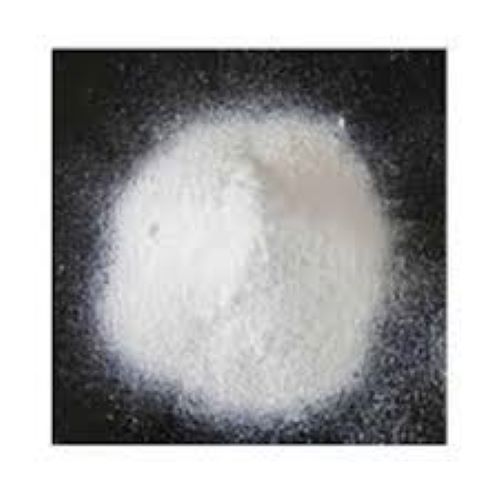
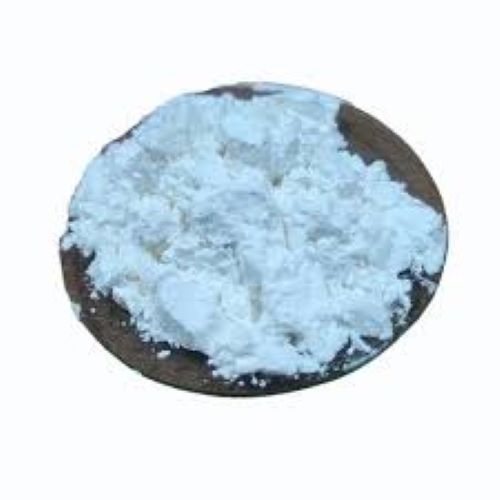
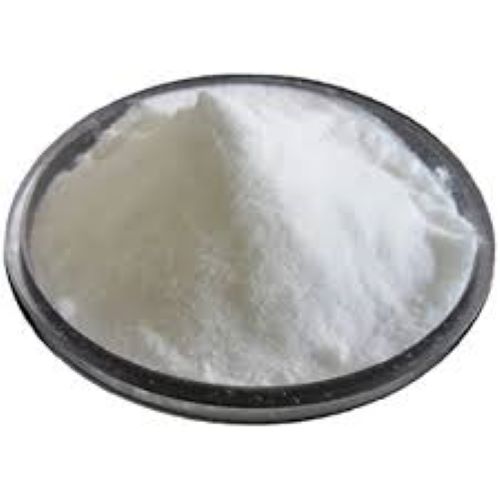
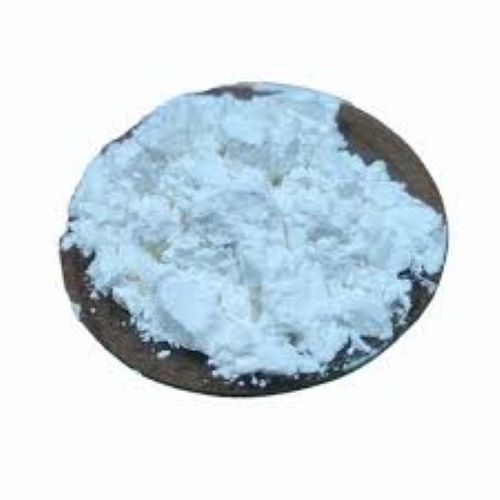
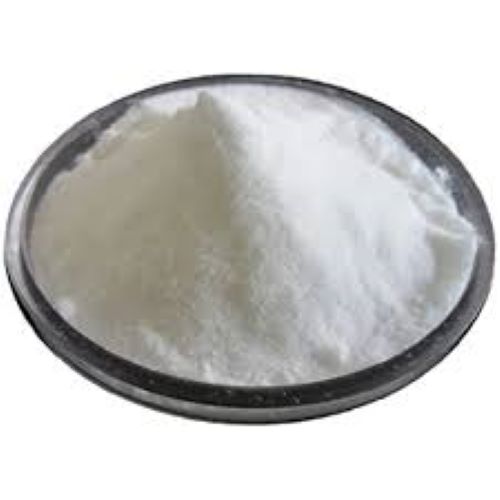
Terbinafine Hydrochloride
9000.0 INR/Kilograms
Product Details:
- Molecular Formula C21H26ClN3S2
- Taste Odorless
- Shelf Life 3 Years
- Solubility Very slightly soluble in water
- Heavy Metal (%) 20 ppm
- Melting Point 201 204 C
- Smell No Smell
- Click to View more
X
Terbinafine Hydrochloride Price And Quantity
- 9000.0 INR/Kilograms
- 25 Kilograms
- 25.00 - 50.00 INR/Kilograms
Terbinafine Hydrochloride Product Specifications
- Room Temperature
- C21H26ClN3S2
- white to off-white crystalline powder
- Medicine Grade
- Solid
- < 10 m
- Terbinafine Hydrochloride (HCl) is primarily used as an antifungal medication. It works by inhibiting the growth of fungi, making it effective in treating a variety of fungal infections. Common Uses of Terbinafine HCl: 1. Onychomycosis (Nail Fungal Infections): Oral Terbinafine is often prescribed to treat fungal infections of the nails caused by dermatophytes. Dosage: Typically, 250 mg once daily for 6 weeks for fingernails and 12 weeks for toenails. 2. Tinea (Ringworm) Infections: Used topically or orally to treat various ringworm infections, including: Tinea corporis (body) Tinea cruris (jock itch) Tinea pedis (athlete's foot) Tinea capitis (scalp) Topical Formulation: Cream or gel applied directly to the infected skin area. Oral Formulation: When the infection is extensive or difficult to treat topically. 3. Candida Infections: Oral Terbinafine is sometimes used to treat Candida infections, especially those affecting the skin and mucous membranes. 4. Tinea Versicolor: Terbinafine is also effective in treating Tinea versicolor, a fungal infection that causes discolored patches of skin. 5. Fungal Skin Infections (other than Tinea): Can be used to treat a variety of superficial skin infections caused by dermatophytes. Formulations: Oral tablets (usually for systemic infections like onychomycosis). Topical cream or gel (for skin infections like athlete's foot or ringworm). Spray formulations are available for easy application to feet or other affected areas. Dosage: Oral dose: Typically 250 mg daily for 6-12 weeks, depending on the infection being treated. Topical dose: Applied once or twice daily to the affected area. Precautions: Liver function: Terbinafine can affect liver enzymes, so it is important to monitor liver function, especially for prolonged treatments. Side effects: Common side effects include nausea, headache, rash, and gastrointestinal disturbances. Serious effects may include liver toxicity or changes in taste perception.
- 78628-80-5
- 98%
- 4.5 to 6.0
- Terbinafine Hydrochloride
- 201 204 C
- No Smell
- 105 C for 2 hours
- 20 ppm
- 3 Years
- (S)-N, N-Dimethyl-6-(1, 2, 4-triazol-1-ylmethylthio)-3-(methylthio)-1-naphthalenamine hydrochloride
- Very slightly soluble in water
- 327.06 Grams (g)
- Odorless
- Pharmaceutical Intermediates
Terbinafine Hydrochloride Trade Information
- Mumbai
- Cash Advance (CA), Cash in Advance (CID)
- 100 Kilograms Per Day
- 7 Days
- Yes
- Free samples are available
- 25Kgs
- Asia, Australia, Central America, North America, South America, Eastern Europe, Western Europe, Middle East, Africa
- WE PROVIDES ALL KIND OF CERTIFICATIONS AS YOU REQUIRED
Product Description
We are offering high quality of Terbinafine Hcl Powder. We are known for manufacturing, exporting, distributing, trading and supplying Terbinafine Hcl Powder in in Gujarat, India. Further, this is safely packaged by our professionals in diverse packaging options that maintain its purity and effectiveness.
Shreeji Pharma International is leading Manufacturer, Exporter, Distributor, and Supplier Terbinafine Hcl Powder in Gujarat. India. Shreeji Pharma International manufacturing & gmp; supplying all products under GMP site with all types of regulatory supports.
Shreeji Pharma International is the largest manufacturer, Exporter and supplier of Terbinafine Hcl Powder. Nowadays Shreeji Pharma International is one of the leading manufacturer and exporter, who is manufacturing Terbinafine Hcl Powder as well as Intermediates of Terbinafine Hcl Powder.
Shreeji Pharma International is exporter, supplier, distributor and manufacturers of the Active Pharmaceuticals Ingredients in many countries for many years.
Shreeji Pharma International currently export Terbinafine Hcl Powder to countries like Gulf Countries, South East Asia countries, African Countries, CIS Countries, LATAM countries, Central American Countries and in European countries.
Terbinafine Hydrochloride (HCl) is an antifungal medication primarily used to treat fungal infections, particularly those of the skin and nails. It is effective against a broad spectrum of fungal pathogens, including dermatophytes, yeasts, and molds. Terbinafine HCl is available in several forms, including oral tablets, topical creams, and ointments. Below is a detailed description of Terbinafine Hydrochloride.
1. Chemical Name:
(E)-N-(6,6-dimethyl-2-hepten-4-yl)-N-methyl-1-naphthalenemethanamine hydrochloride
2. Molecular Formula:
C21H25NHCl
3. Molecular Weight:
295.89 g/mol
4. CAS Number:
78628-80-5 (Terbinafine Hydrochloride)
5. Description:
Terbinafine is a synthetic allylamine antifungal agent used to treat various fungal infections. The hydrochloride (HCl) form of terbinafine is commonly used in oral formulations. It works by inhibiting an enzyme called squalene epoxidase, which is essential for the synthesis of ergosterol a crucial component of the fungal cell membrane. By disrupting the fungal cell membrane, terbinafine leads to the death of the fungus.
Terbinafine is broad-spectrum, meaning it is effective against a wide range of fungi, including dermatophytes (fungi that cause skin, hair, and nail infections), yeasts (such as Candida), and molds.
6. Physical Appearance:
Form: White to off-white crystalline powder.
Appearance in Solution: It is usually available as a white crystalline powder for oral tablets or topical formulations.
7. Solubility:
Poorly soluble in water, but soluble in alcohol and chloroform.
8. Mechanism of Action:
Squalene Epoxidase Inhibition: Terbinafine works by inhibiting the enzyme squalene epoxidase, which is involved in the synthesis of ergosterol, a key component of the fungal cell membrane. Without ergosterol, the integrity of the fungal cell membrane is compromised, leading to cell death.
Unlike some other antifungal drugs, terbinafine does not inhibit cytochrome P450 enzymes in human cells, reducing the risk of drug interactions.
9. Therapeutic Uses:
Fungal Skin Infections: Terbinafine is used to treat tinea corporis (ringworm), tinea pedis (athlete's foot), tinea cruris (jock itch), and tinea versicolor (a yeast infection of the skin).
Onychomycosis: Terbinafine is one of the most effective treatments for nail fungus (onychomycosis), caused by dermatophytes such as Trichophyton rubrum.
Yeast Infections: It is also used for Candida infections of the skin.
Fungal Hair Infections: Terbinafine is effective for treating scalp ringworm (tinea capitis).
10. Dosage:
Oral Form:
For dermatophyte infections (skin, hair, nails), the typical dosage is 250 mg once daily for 2-6 weeks, depending on the infection site and severity.
For onychomycosis (nail fungus), the typical treatment duration is 6 weeks for fingernail infections and 12 weeks for toenail infections, with a dose of 250 mg once daily.
Topical Form:
For athletes foot or ringworm, terbinafine topical creams or ointments are applied to the affected area once or twice daily for 1-2 weeks.
Treatment duration may vary depending on the severity of the infection.
11. Side Effects:
Common Side Effects:
Gastrointestinal: Nausea, diarrhea, abdominal pain, loss of appetite, dyspepsia (indigestion).
Skin Reactions: Rash, itching, or irritation at the site of topical application.
Headache.
Serious Side Effects (rare):
Liver Toxicity: Elevated liver enzymes (AST, ALT), jaundice, and liver failure. Monitoring of liver function is recommended during treatment.
Allergic Reactions: Anaphylaxis, skin rashes, or swelling (rare).
Taste Disturbances: A temporary loss or alteration of taste (dysgeusia) can occur, especially with the oral formulation.
Blood Disorders: Leukopenia, thrombocytopenia, or neutropenia in rare cases.
Vision Issues: Visual disturbances such as blurred vision may occur (rare).
12. Precautions:
Liver Impairment: Caution is advised when prescribing terbinafine to patients with liver disease (e.g., cirrhosis, hepatitis). Liver function tests should be conducted before and during treatment.
Kidney Impairment: In patients with renal impairment, terbinafine should be used with caution, as it is primarily excreted by the kidneys.
Pregnancy and Lactation: Terbinafine is Category B for pregnancy (no evidence of harm in animals), but its use should be limited to cases where the benefits outweigh the risks. It is not known if terbinafine passes into breast milk, so caution is advised during breastfeeding.
Alcohol Consumption: Alcohol should be avoided during treatment, as it can increase the risk of liver toxicity.
Rash: If a rash develops during treatment, discontinuation should be considered.
13. Storage:
Oral Tablets: Store in a cool, dry place, away from light and moisture, at room temperature (2025C or 6877F).
Topical Creams/Ointments: Store in a cool, dry place, away from direct sunlight, at room temperature (1530C or 5986F).
Do not freeze any form of terbinafine.
14. Regulatory Status:
FDA Approval: Terbinafine is FDA-approved for the treatment of onychomycosis, dermatophyte infections, and fungal skin infections.
WHO: It is listed in the World Health Organizations Essential Medicines List for its effectiveness in treating onchomycosis and other fungal infections.
15. Brand Names:
Lamisil (most widely known brand name for oral and topical terbinafine formulations).
Terbinafine (generic).
Lamisil AT (topical antifungal formulation).
Tell us about your requirement

Price:
Quantity
Select Unit
- 50
- 100
- 200
- 250
- 500
- 1000+
Additional detail
Mobile number
Email

Other Products in 'Active Pharmaceuticals Ingredients (API)' category



Contact Us

- 311, Atlantis Heights, Sarabhai Main Road, Vadiwadi,Vadodara - 390007, Gujarat, India
- Phone :08045479576

-
 Send Inquiry
Mr. Nilesh Bansilal Sheth (Partner)
Mobile :08037400111
 : nilesh.sheth70
MR. Tushar V. Kavade (Partner) : tushar.kavade
 Send Inquiry
|


SHREEJI PHARMA INTERNATIONAL
All Rights Reserved.(Terms of Use)
Developed and Managed by Infocom Network Private Limited.
Developed and Managed by Infocom Network Private Limited.

